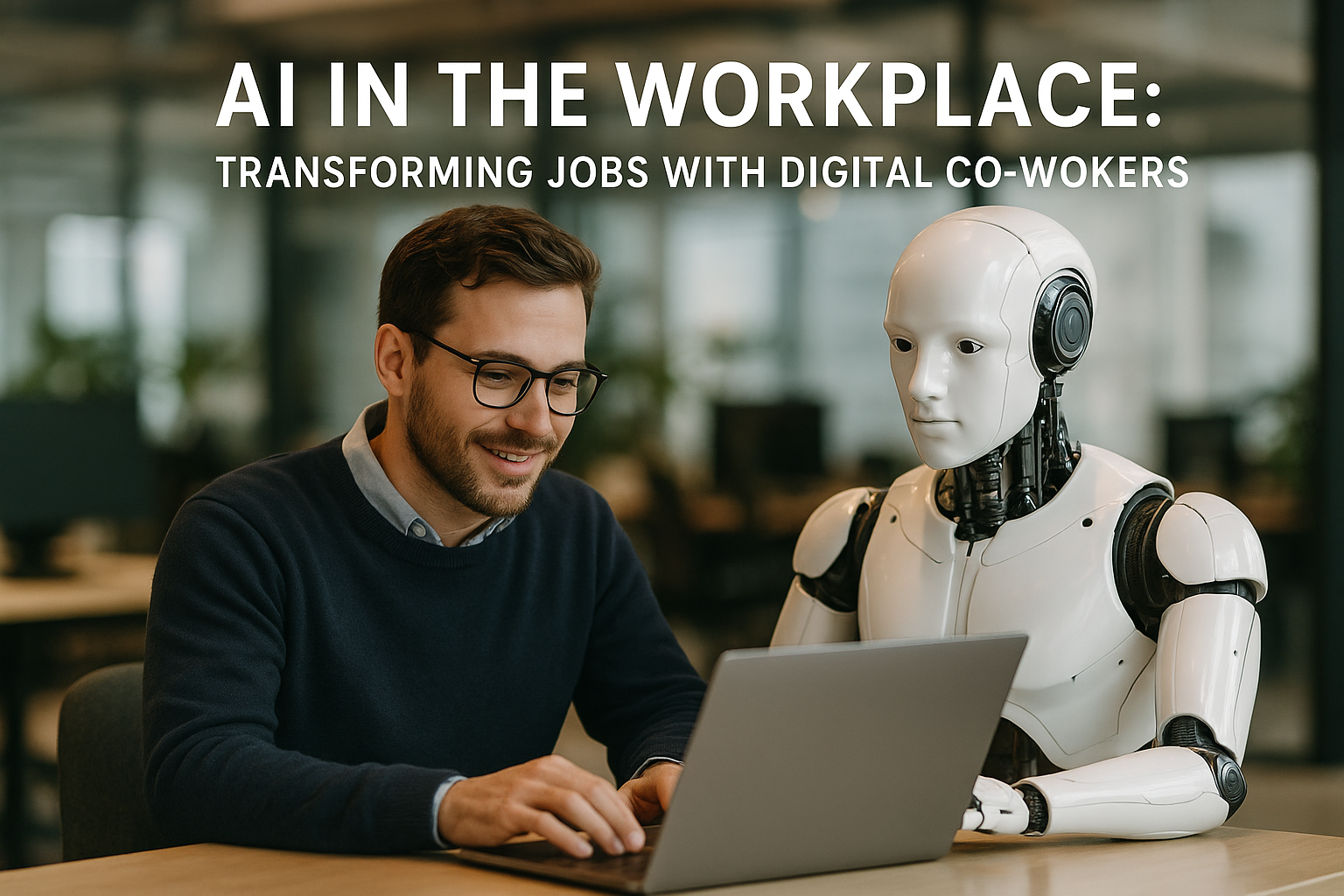


AI-Driven Sales Transformation: How Leaders Can Accelerate Conversions and Dominate Markets
In an era where speed and precision define success, artificial intelligence is revolutionizing sales performance. Forward-thinking CEOs and revenue leaders are leveraging AI to eliminate bottlenecks, boost win rates, and outpace competitors—turning traditional sales cycles into high-velocity conversion engines. While manual processes and slow response times continue to cripple lagging organizations, AI-powered tools now enable hyper-personalized engagement, predictive analytics, and automated execution at unprecedented scales. Businesses embracing this shift report 30%+ higher conversion rates and 20-40% shorter sales cycles—proof that AI isn’t just an efficiency tool but a market dominance lever. This article explores how AI-driven intelligence, dynamic outreach, and autonomous workflows redefine what’s possible in modern sales. The stakes? Early adopters gain irreversible advantages, while hesitation risks obsolescence.
The High Cost of Manual Sales Processes
Legacy sales methods struggle to meet today’s buyer expectations, where 71% of B2B decisions hinge on immediate engagement. Manual data entry, subjective lead scoring, and generic outreach waste critical resources—sales teams squander 30-40% of their time on administrative tasks instead of closing deals. Even forecasting falters; only 7% of teams achieve >90% accuracy, leading to misaligned budgets and missed quotas. AI disrupts these inefficiencies by transforming raw data into structured insights, automating repetitive workflows, and enabling real-time decision-making—addressing the root causes of revenue leakage rather than just the symptoms.
AI-Powered Intelligence: The Foundation of Smarter Selling
Modern AI tools synthesize disparate data points—buyer behavior, intent signals, competitive movements—into atomic insights that guide every sales interaction. Predictive lead scoring algorithms analyze historical patterns to identify high-intent prospects with 30% greater accuracy, while dynamic research assistants slash pre-call prep time by 80%. By 2027, 95% of seller research will originate from AI systems, up from just 20% in 2024. This intelligence layer enables teams to prioritize the right opportunities, anticipate objections, and tailor strategies at scale—turning information overload into a strategic weapon.
Hyper-Personalization at Scale: Beyond Generic Outreach
AI eradicates spray-and-pray tactics by generating context-aware content tailored to individual buyer journeys. Generative AI crafts emails, ads, and proposals that adapt to persona-specific pain points—as seen in Michaels Stores’ 41% higher click-through rates from AI-personalized SMS campaigns. Real-time conversation analytics take this further: platforms like Gong analyze call transcripts to deliver instant coaching on pricing negotiations or competitor rebuttals. This fusion of depth and scalability ensures each prospect receives VIP-level attention without taxing human bandwidth—a necessity when 80% of buyers now demand B2C-grade experiences in B2B sales.
Autonomous Execution: Where AI Drives Unmatched Velocity
The final breakthrough lies in AI’s ability to autonomously execute workflows. Agentic AI handles prospecting sequences, meeting scheduling, and follow-ups—reducing first-response times by 80% and slashing ticket resolution durations. Conversation intelligence platforms like iovox transcribe calls, extract action items, and enforce compliance automatically, while AI chatbots cut e-commerce cart abandonment by 35% through instant, personalized interventions. These tools don’t replace human sellers but amplify their impact, enabling lean teams to manage 5x more touchpoints with higher precision.
The Path Forward: AI as the Ultimate Competitive Lever
Leaders who deploy AI strategically gain an irreversible edge—15-25% revenue growth within six months isn’t aspirational but proven. The roadmap is clear: start with quick wins like AI email generation, integrate tools seamlessly with existing CRM ecosystems, and upskill teams to leverage AI as a co-pilot rather than a crutch. However, hesitation carries existential risk; within 24 months, AI-powered sales velocity will transition from differentiator to baseline expectation. The choice isn’t whether to adopt AI but how rapidly and ruthlessly to implement it. As laggards grapple with outdated playbooks, agile competitors are already monetizing the AI-driven insights that define tomorrow’s market leaders.